When you think of renting out your property, your first thought is probably offering a traditional 12-month lease. Or you may be thinking of hosting a short-term rental, popularized by platforms like Vrbo and Airbnb. But there is a third option you should consider: a mid-term rental. In this article, I’ll break down mid-term rentals — what they are, who they are for, elements of a mid-term lease, and the advantages and disadvantages.
What is a Mid-term Rental?
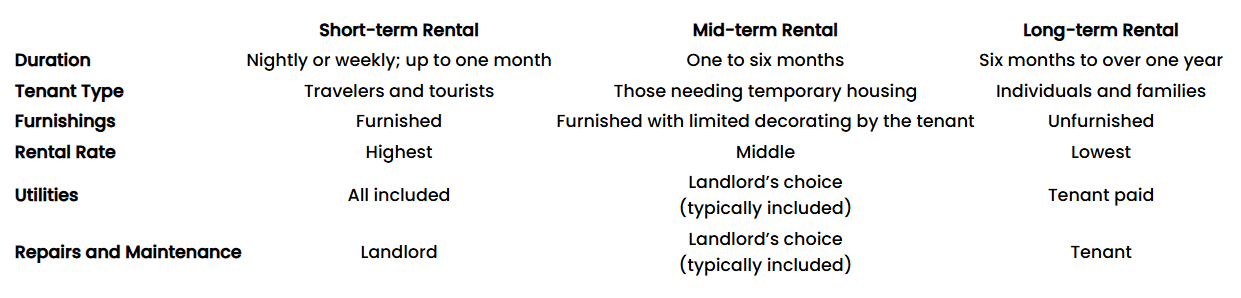
If you’ve never heard of mid-term rentals, also known as medium-term rentals, you’re not alone. Most landlords have either operated short- or long-term rentals in the past. Mid-term rentals are defined as lease agreements lasting more than one month and less than one year. This differs from other rentals, where short-term rentals typically last for less than a month and long-term rentals last for a year or more.
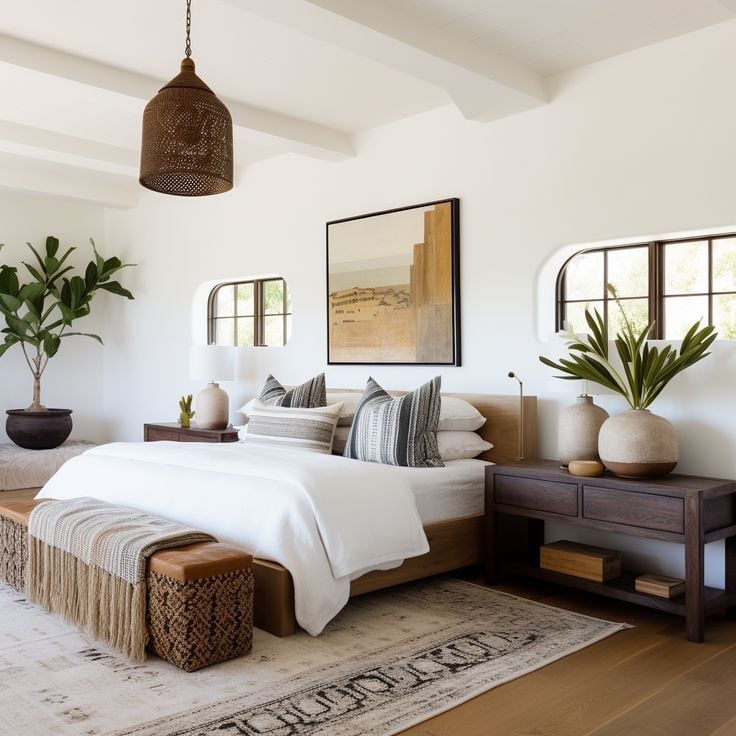
Mid-term rentals are a great option for anyone needing temporary housing, but for extended periods of time. These rentals are typically furnished apartments, condos, townhomes, or single-family homes. What sets this type of lease apart is its flexibility in terms.
Differences in Rental Types
When deciding if a mid-term rental property model is right for you, consider the primary differences between rental types:
Pros & Cons of Mid-term Rentals
- Higher rental income
- Flexibility in lease terms
- Furnished rental premium
Mid-term rentals offer many advantages to landlords and tenants, striking a balance between stability and adaptability. Landlords can capitalize on higher rental rates due to shorter lease terms by providing fully furnished housing.
- Limited tenant pool
- Frequent property inspections
- Higher turnover potential
- Additional costs
Depending on the area, you may have a hard time finding tenants who require a mid-term lease. When you do, you will be inspecting the property more often, which increases the likelihood that repairs will be needed. This can significantly add to the cost of maintaining your property if it is not properly maintained. Additionally, up-front costs associated with furnishing the property need to be factored into your decision to make a mid-term rental./pros
Who is a Mid-term Rental Best for?
Mid-term rentals cater to a wide range of individuals with vastly different lifestyles. These renters typically seek shorter-term solutions with customizable lease terms and convenient housing options. They want to be comfortable and feel at home without committing to a long-term lease.
Transitioning Homeowners
Homeowners have many different reasons for needing transitional housing. It could be that they sold their current property and are waiting to move into their new home, or they are looking for a month-to-month solution while they search for their next home. Others may have been displaced from their homes due to natural disasters, insurance claims, or major repairs needed on their current home.
No matter the reason for the transition, these tenants are looking for flexibility while maintaining their home life with minimal interruption.
Travel Workers
Professionals on short-term assignments, like nurses or athletic recruiters, often require temporary housing. Mid-term rentals allow renters to stay in an area for an extended period without having to live out of a suitcase. This type of rental provides a safe place for renters to live while honoring their work commitments.
Corporations
You may have heard of the term corporate housing or executive rentals. Some large corporations partner with area property management companies to provide rentals to employees at a rate agreed upon in advance. The rent is typically paid for by the corporation. However, the options can be limited. They may not be ideally located, be accessible for families, or provide the accommodations the employee needs—a problem that can be solved by well-positioned mid-term rental options.
Relocation Clients
Relocating to a new and strange city can be a daunting task. Mid-term rentals can make this transition easier for individuals and families, providing comfortable and convenient housing options for everyone. Consider properties with easy access to transportation and local accommodations to appeal to anyone relocating from out of town.
Students
Students and faculty of nearby universities look for housing terms outside of typical yearly lease terms. Some may be looking to rent for a semester, while others may be looking for a lease for the academic year. Providing these options can be a popular choice if you choose to invest near a local college or university.
Offering mid-term lease options for off-campus housing is increasing in popularity, especially in major metropolitan cities where on-campus housing is limited or expensive.
Snowbirds
Areas in warmer climates tend to be popular with retirees who permanently reside in colder, more northern states. Mid-term rentals in these markets are typically fully furnished and offer different amenities for the senior population. This type of rental provides freedom and flexibility for these snowbirds, so they can enjoy life without the commitment of a long-term lease or maintaining a home from out-of-state.
Digital Nomads
A digital nomad is a relatively new term since the inception and increasing popularity of remote work. These individuals want to live life and travel the world while working remotely. They are not interested in purchasing a home or even a long-term lease. They will not stay in one place for an extended period of time. They like having a stable home base (with reliable internet) while maintaining the flexibility to leave when they are ready to move on.
Film and Production Crews
Film and production crews often need temporary housing for projects that last anywhere from a few weeks to several months. These teams typically travel in groups and look for fully furnished properties that can accommodate multiple people, offer flexible lease terms, and are located close to filming sites. This renter type is common in areas with active film industries or frequent production activity, such as Los Angeles, Atlanta, New York City, Vancouver, and Austin.
Long-term Travelers
Some travelers prefer staying in one location for several months to fully experience a destination without constantly moving. These renters want more space, comfort, and affordability than hotels or short-term rentals can offer. Mid-term rentals give them a home base while still allowing flexibility to move when they’re ready.
Pro tip: Tailor your mid-term rental listing to the needs of the renters you are trying to attract. Highlight the flexibility of your lease terms and clarify if you are willing to negotiate to accommodate their specific needs.
What to Include in a Mid-term Lease
When screening tenants and creating a mid-term rental lease agreement, it’s important to ensure the lease outlines all necessary terms and conditions to protect both the landlord and the tenant. Let’s explore some of the more important elements to consider including in your lease.
Types of Mid-term Leases
- Term leases: They clearly specify the entire length of the stay for a predetermined period (one, three, or six months).
- Month-to-month leases: They renew each month automatically unless terminated according to the terms of the lease agreement.
Elements of a Mid-term Lease
- Lease duration: Clearly define the lease term with start and end dates.
- Rent amount and payment schedule: Outline the monthly rent and specify the due dates. You could also consider offering a discount if the entire lease is paid up front.
- Security deposit: Provide details on the deposit amount and the conditions for its refund. Be sure to include guidelines for deducting damages from normal wear and tear.
- Utilities and services: Be sure to include a chart outlining who will be responsible for each utility or service (e.g., water, electricity, and internet).
- Maintenance and repairs: Specify the responsibilities of both the landlord and the tenant regarding maintenance and repairs. Be sure to include information on how to report issues to the landlord and the timeframes for resolution.
- Use of property: If there are any restrictions on activities such as subleasing, hosting events, or conducting business, be sure to include these in the lease.
- Pets and smoking: State whether pets or smoking is allowed or prohibited on the property, as well as any fines that could be incurred by a homeowners’ association, if applicable.
- Entry and inspection: Outline the landlord’s right to enter the property for repairs, inspections, or to show it to the next tenant. Since the lease term is much shorter, you will need to find your next tenant relatively quickly.
- Termination clause: Including a provision for early termination is a good idea for a mid-term rental. The tenants’ needs could change quickly based on their situation. Determine how you want to handle these situations beforehand so that both parties are aware.
- Additional terms and conditions: If there are any additional terms or conditions that need to be included, such as parking arrangements or use of common areas, be sure to put those in writing as well.
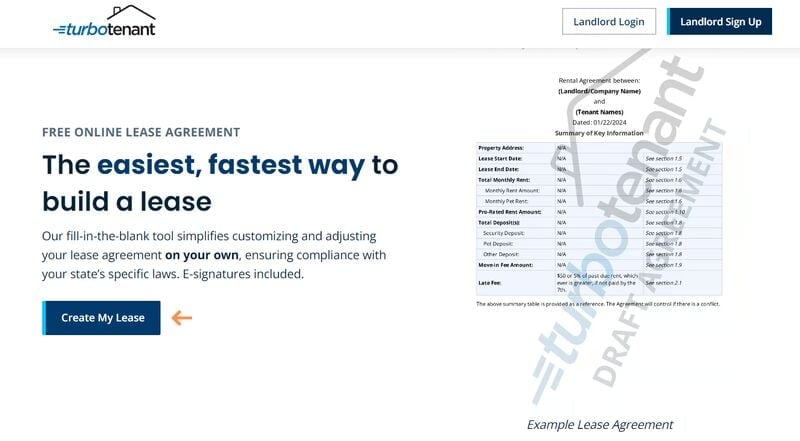
TurboTenant makes it easy to create a state-specific lease agreement for any situation. The guided instructions will help you create exactly what you need. Follow these six easy steps to receive your personalized lease in minutes:
- Visit TurboTenant’s free online lease agreement.
- Click “Create My Lease.”
- Personalize your experience by telling them if you are the landlord or a tenant.
- Answer the pre-populated questions and click “Continue.”
- Create an account or log in.
- Start creating your lease.
Frequently Asked Questions (FAQs)
Are Mid-term Rentals Legal in All Areas?
While mid-term rentals are often less regulated than short-term rentals, and are generally legal in most areas, it’s extremely important to confirm with your local zoning laws, town hall, and HOA rules before listing your mid-term rental.
Do Mid-term Rentals Require Special Insurance?
Yes, mid-term rentals may require additional or adjusted rental insurance coverage depending on your provider. Some standard landlord policies may apply to mid-term rentals. It’s important to confirm with your provider and pivot or expand your plan if needed. Many landlords of mid-term rentals choose plans that cover furnished properties, tenant turnover, and potential liability to ensure they’re fully protected.
What Amenities Do Mid-term Renters Expect?
Mid-term renters typically expect a fully furnished, move-in-ready space, with reliable Wi-Fi, utilities, kitchen essentials, and basic household items. This allows the tenant to live comfortably without needing to set up a home from scratch.
Is Managing a Mid-term Rental More Time-consuming?
Yes, a mid-term rental can require more hands-on management than long-term leases due to more frequent turnover, tenant communication, and maintenance checks. But mid-term rentals are generally less demanding than short-term rentals since they don’t require constant cleaning or daily guest coordination.
Bottom Line
Mid-term rentals offer both landlords and tenants a flexible housing solution that is adaptable to any situation. While landlords can benefit from the higher rental income, they must be prepared to navigate challenges in finding tenants and keeping up with the costs of running a property that is turned over more frequently.
Ultimately, mid-term rentals will appeal to a diverse set of tenants with unique needs. If you are in an area with a need for this type of housing, it may be worth giving it a try. You can always convert it back to a long-term rental if necessary.