Thinking about selling a home on acreage in Pflugerville Acres? You are not just selling a house. You are selling land, access, utility, privacy, improvements, and a lifestyle that buyers will examine much more closely than they would on a standard suburban lot. In this guide, you will learn how to price, prepare, and market an acreage property in today’s Pflugerville-area market so you can reduce surprises and make smarter decisions before you list. Let’s dive in.
Understand the Pflugerville Acres market
Selling acreage starts with understanding that your property does not fit neatly into a typical neighborhood price average. In Pflugerville, the broader market has softened compared with the recent peak, with Zillow reporting an average home value of $378,016 and homes going pending in about 47 days, while Redfin reported a median sale price of $355,000 last month. That tells you the market is active, but buyers are watching value closely.
In Pflugerville Acres, lot size can vary dramatically. Public listing data shows properties in the area ranging from standard suburban-sized lots to acreage tracts of 2.55, 3, 3.58, 5.38, and even 10.08 acres. That range matters because buyers do not evaluate a 5-plus-acre homesite the same way they evaluate a house on a typical subdivision lot.
A strong pricing strategy should separate three categories: small-lot suburban homes, improved acreage homes, and raw or near-raw land. If your property includes a house, outbuildings, fencing, access improvements, or utility features, those details can affect value just as much as square footage. For acreage listings, broad market averages are only a starting point.
Price acreage with a layered approach
The biggest pricing mistake acreage sellers make is relying too much on nearby house sales without adjusting for lot utility and site features. Buyers will look beyond the home itself and ask how usable the land is, how it is accessed, and what improvements are already in place. That means your pricing should reflect both the residence and the land’s function.
When reviewing comparable properties, focus on details such as:
- Total acreage
- Whether the land is improved or more natural
- Driveway access and road type
- Fencing and gates
- Barns, sheds, RV parking, or workshops
- Septic, well, or city utility setup
- Floodplain impact
- Condition of the home and site improvements
This kind of layered pricing matters even more in a softer market. If buyers have more inventory to consider and pricing pressure is easing, an acreage home that starts too high may sit while buyers wait for a reduction. A smart launch price can help you capture attention early, when listing activity matters most.
Prepare the land like it is part of the home
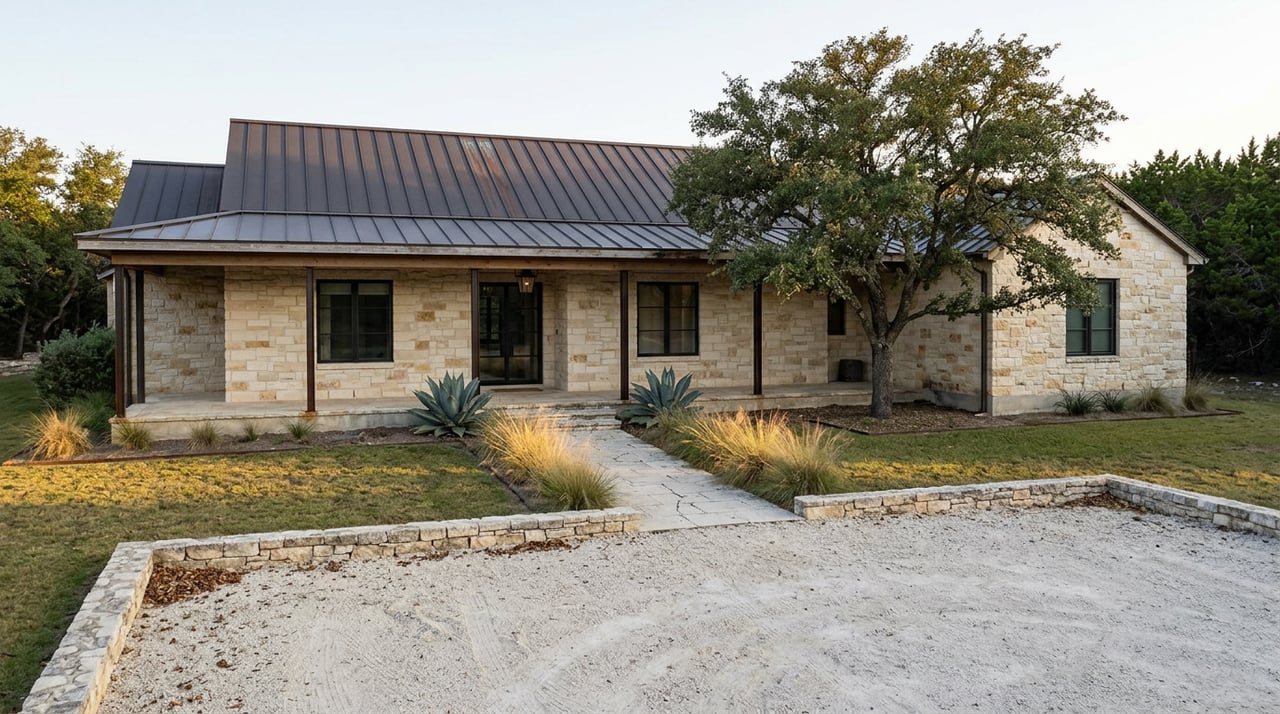
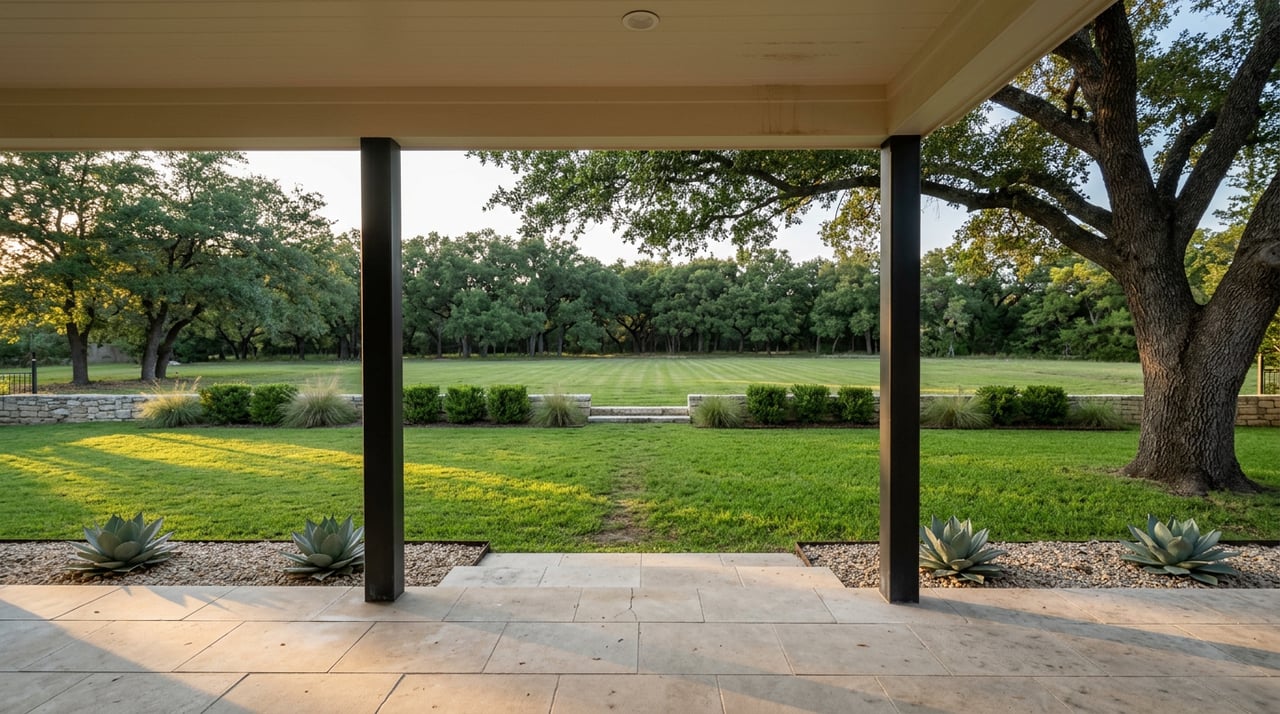
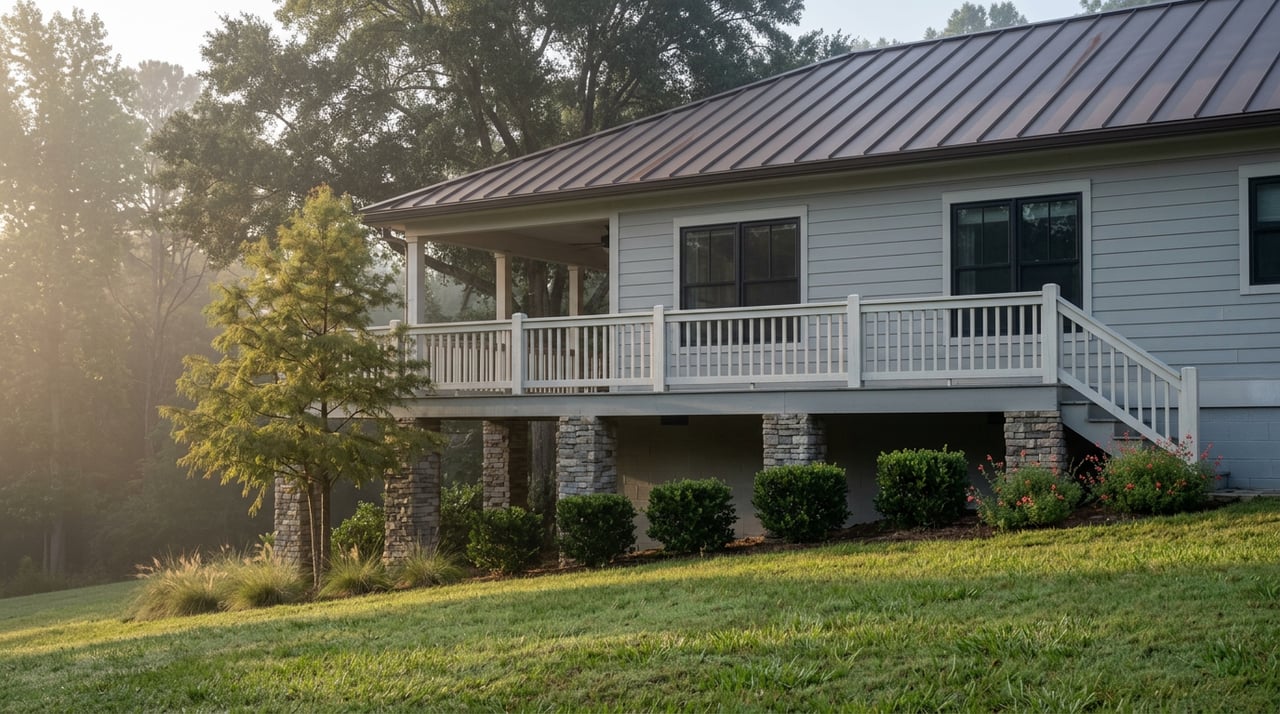
On acreage, the outdoor space is not just background. It is part of the product. Buyers often make their first decision online, and if the grounds look overgrown, unclear, or hard to understand, they may move on before scheduling a showing.
That is why presentation should go beyond tidying the interior. Mowing, brush cleanup, driveway definition, fence and gate cleanup, and basic staging of porches or patios can help the property feel easier to understand. If you have useful site features like a barn, shed, or RV area, those should be presented clearly rather than treated like afterthoughts.
Staging can also help. According to the National Association of Realtors’ 2025 staging report, 83% of buyers’ agents said staging made it easier for buyers to envision a home, 29% reported a 1% to 10% increase in the dollar value offered, and 49% of sellers’ agents saw reduced time on market. For acreage homes, that benefit extends to both the house and the setting around it.
Build a stronger media package
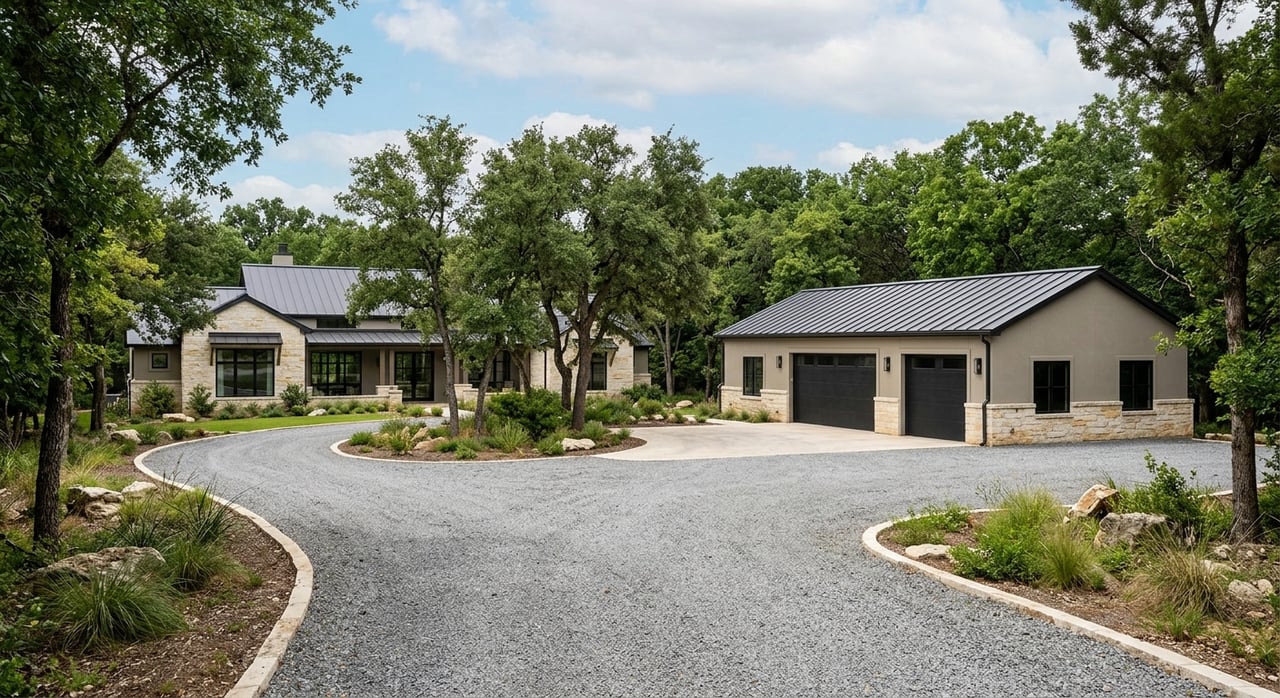
Acreage properties need more than a few basic listing photos. Buyers want to understand how the house sits on the lot, what the land looks like from above, and how the improvements connect across the property. If those answers are not clear online, your listing can lose momentum fast.
The National Association of Realtors has found that listing photos are the most useful online feature for 81% of buyers, and buyers respond strongly to photos, videos, and virtual tours. For acreage, a stronger media package usually includes:
- High-quality interior photos
- Exterior ground-level photos
- Aerial or drone images
- Clear views of driveways, gates, and outbuildings
- Visual context showing the home’s placement on the lot
Early online activity matters. If a listing stalls, even changing the lead photo or reordering images can help it regain attention. That makes your launch plan especially important during the first few days on market.
Gather due diligence items before listing
Acreage buyers tend to ask more questions, and they usually ask them earlier. The more information you organize before going live, the smoother your listing process can be. This is one of the clearest ways to reduce stress during negotiations.
Start by confirming whether the property is inside the City of Pflugerville, in the ETJ, or in unincorporated Travis County. That distinction matters because Travis County handles development services outside city limits and regulates subdivisions in unincorporated areas and ETJs in partnership with other jurisdictions.
Travis County also defines development broadly. It can include structures, driveways, work in the county right-of-way, on-site sewage facilities, and division of land. Its permit enforcement guidance says any development in Travis County requires a permit, which is especially important on properties with multiple site improvements.
Be ready for septic, well, and survey questions
If your home is on septic, buyers will likely want clear information early. The Texas Commission on Environmental Quality says permits are required for on-site sewage facilities, and a permit and approved plan are required to construct, alter, repair, extend, and operate one. Local permitting authorities can also be more stringent than the state minimum.
If the property uses a private well, buyers may ask about water quality and testing history. The Texas Water Development Board says private well water quality is not regulated by the state, which means the owner is responsible for addressing issues. Having records or recent information available can help buyers feel more confident.
Surveys also carry extra weight on acreage. The Texas A&M Real Estate Center notes that a survey is advisable when land is bought or sold, cleared or divided, or when building a fence. On a larger tract, buyers will want clarity around boundaries, easements, right-of-way questions, and how improvements sit on the land.
Check floodplain and access issues early
Floodplain questions can become major negotiation points on larger properties. Travis County says its floodplain jurisdiction applies only in unincorporated areas outside city limits, while the City of Pflugerville provides an interactive floodplain map and flood insurance resources. Before listing, it helps to understand whether any part of your land may raise floodplain concerns.
Access is another issue buyers often raise right away. If your property involves a private road, shared access, easement use, or unusual driveway arrangements, those details should be gathered and explained early. Unclear access can create hesitation, even when the home itself shows well.
Texas seller disclosures also matter here. The Texas Real Estate Commission’s Seller’s Disclosure Notice now specifically flags private roads, aboveground storage tanks over 500 gallons, and conservation easements. On acreage properties, those items should be reviewed carefully before you hit the market.
Understand tax questions buyers may raise
Taxes on acreage can be more complex than taxes on a standard neighborhood home. Travis Central Appraisal District appraises property at 100% of market value as of January 1 each year. That means the tax picture a buyer sees may not line up perfectly with a later closing date, so it helps to be prepared for questions.
If any part of the land has agricultural valuation, you should also understand whether a change in use could trigger rollback taxes. TCAD and the Texas Comptroller both make clear that open-space or agricultural use is a special valuation, not a permanent exemption. If land changes to non-agricultural use, the owner can owe rollback tax for the previous three years.
TCAD accepts timely 1-d-1 open-space agricultural applications from January 1 through April 30, and late applications can be accepted until the roll is certified with a 10% penalty. If your property’s tax status needs clarification, it is smart to address that before listing rather than during contract negotiations.
Expect a more detailed negotiation process
Acreage sales often involve more moving parts than a standard suburban transaction. Even if the broader Pflugerville market is already seeing softer pricing and longer market times, larger-lot homes may take even more prep and due diligence. That does not mean your property will not sell. It means strategy matters.
Common negotiation points on acreage homes include:
- Survey gaps or boundary questions
- Easements and access issues
- Utility availability and service setup
- Septic or well questions
- Floodplain or drainage concerns
- Unpermitted improvements
- Tax valuation or rollback exposure
When you gather records early, you reduce the chance that a buyer discovers a problem late in the option period or title review. That kind of preparation can help protect your price, timeline, and negotiating position.
Why process matters when selling acreage
Selling a home on acreage in Pflugerville Acres is not a one-size-fits-all listing job. It takes thoughtful pricing, a clear prep plan, strong visual marketing, and organized documentation. Buyers need help understanding what they are purchasing, and you need a strategy that reflects how acreage actually sells in Central Texas.
That is where experienced, process-driven representation can make a real difference. With more than 15 years of industry experience, a strong operations and marketing backbone, and deep knowledge of Central Texas property types, Jorgenson Real Estate helps sellers navigate complex listings with clarity, strategy, and personal guidance.
FAQs
What makes selling acreage in Pflugerville Acres different from selling a standard home?
- Acreage buyers usually evaluate the house, the land, access, utilities, improvements, floodplain impact, and title details together, so pricing and due diligence are often more complex.
How should you price a home on acreage in Pflugerville Acres?
- You should compare it to similar improved acreage properties, while also accounting for lot utility, site improvements, access, condition, and whether the land functions more like homesite acreage or raw land.
What documents do buyers often want for a Pflugerville Acres acreage property?
- Buyers commonly ask for surveys, septic or well information, permit history, floodplain details, easement or access records, and tax information related to any agricultural valuation.
Why do floodplain questions matter when selling acreage in Pflugerville Acres?
- Larger tracts can include low areas or drainage features, and buyers often want to know whether any part of the land is in floodplain before they move forward.
Can agricultural valuation affect the sale of acreage in Travis County?
- Yes. If land receiving agricultural valuation changes to non-agricultural use, rollback taxes may apply, so sellers should understand and clarify that status early.
When is the best time to list a home on acreage in Pflugerville Acres?
- Timing depends on your property and competition, but national Realtor.com research identified April 13 through 19 as a strong seasonal benchmark for seller visibility and activity.