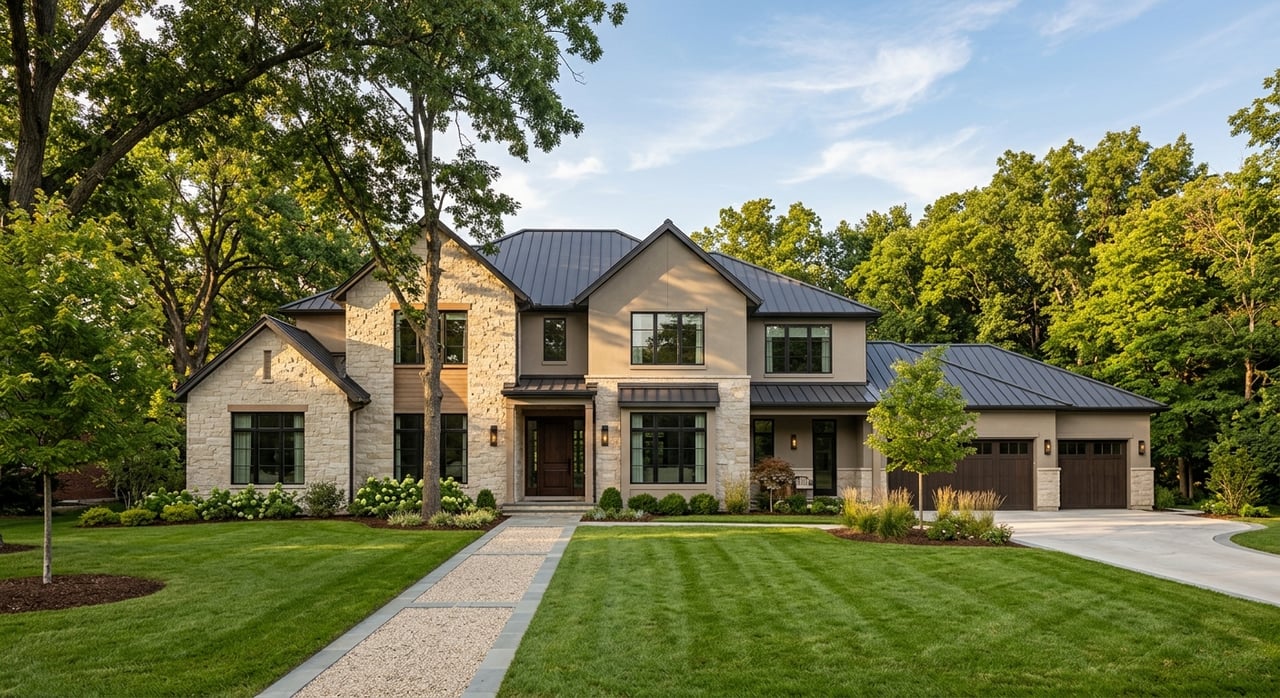
Looking for more space without feeling cut off from Cedar Park, Round Rock, and north Austin? Brushy Bend Park stands out because it offers a very different rhythm than many newer suburban neighborhoods. If you want mature trees, larger lots, and an established setting near parks and trails, this guide will help you understand what living here is really like. Let’s dive in.
Where Brushy Bend Park Sits
Brushy Bend Park is in Williamson County along the Brushy Creek corridor, near Round Rock and Cedar Park, between Brushy Creek Road and Sam Bass Road just south of FM 1431. Local descriptions place it near the point where Austin, Cedar Park, and Round Rock meet.
That matters because the neighborhood feels connected to several parts of the metro at once. Instead of feeling tucked deep inside a single master-planned community, it sits on the edge of multiple daily routes, shopping areas, and recreation options.
What the Neighborhood Feels Like
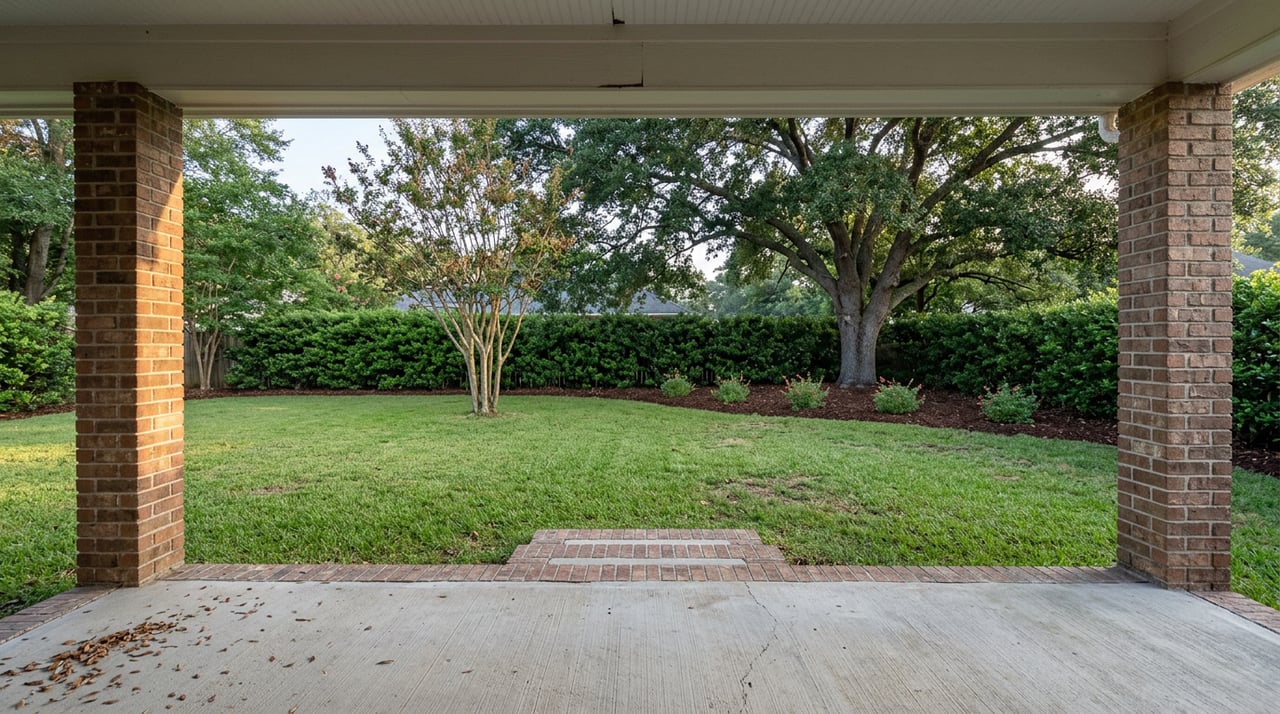
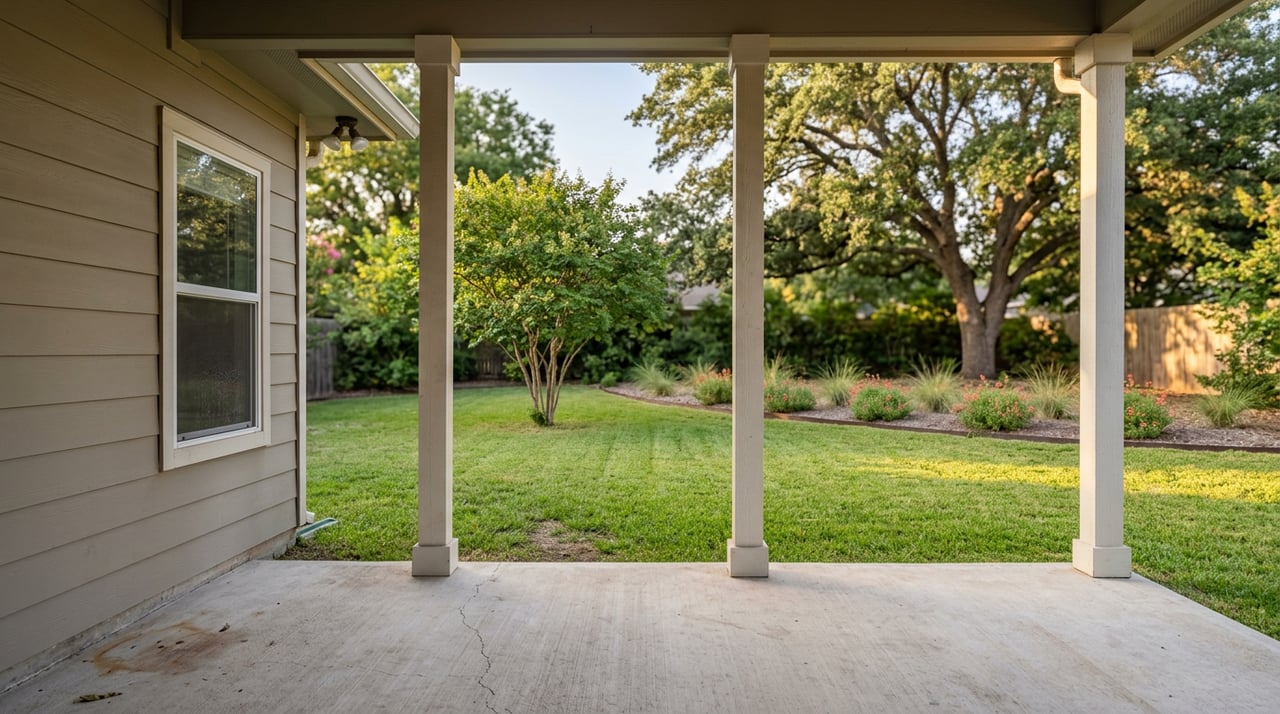
Brushy Bend Park is best known for its wooded, spacious, low-density setting. Official neighborhood descriptions highlight large lots, mature trees, water, native plants, wildlife, and open space.
In practical terms, that means you are likely to notice more privacy, more yard space, and a more natural setting than you would in many newer subdivisions. The overall feel is more semi-rural and estate-like, even though you still have access to major roads and nearby city amenities.
Homes in Brushy Bend Park
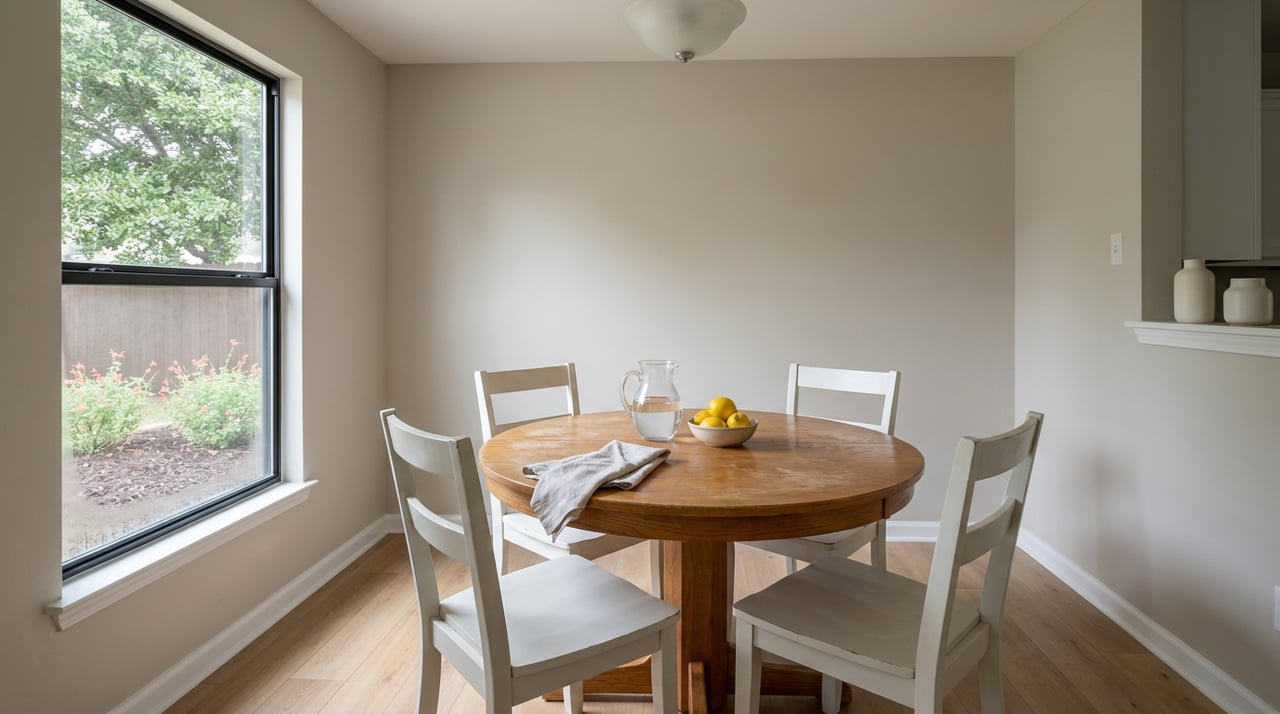
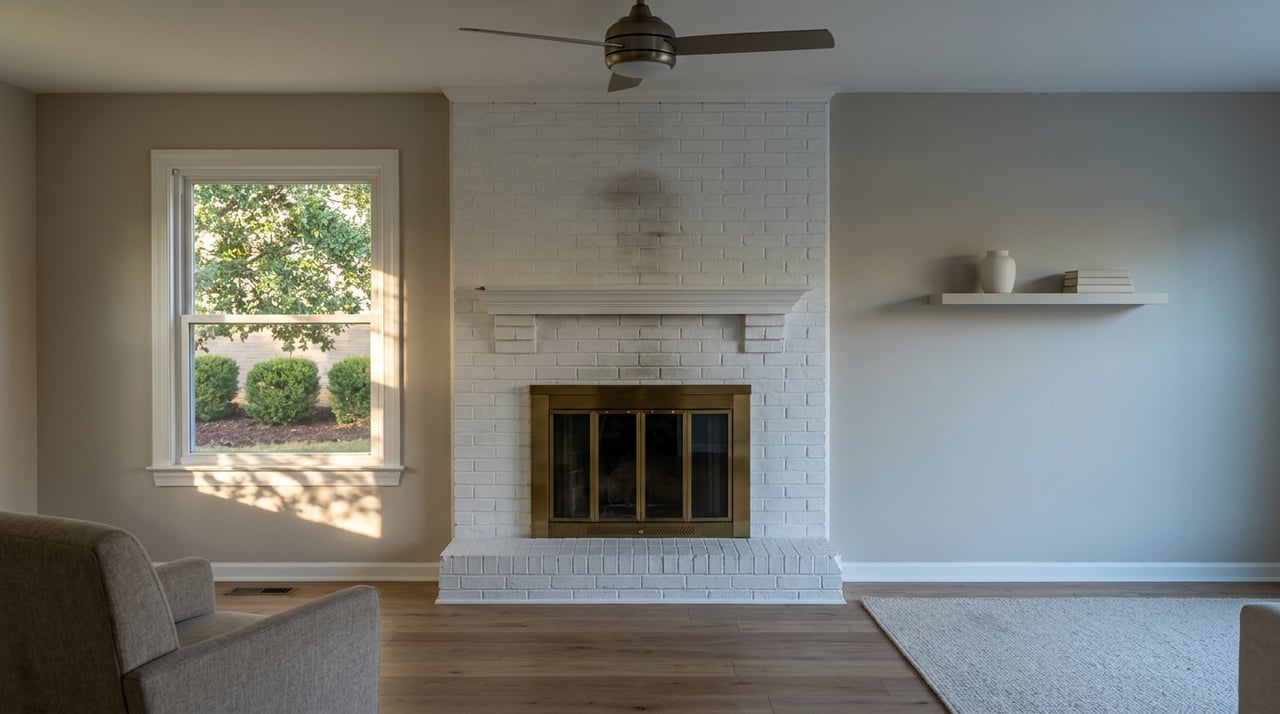
The housing stock in Brushy Bend Park is older and more custom in character. Public-record examples and local neighborhood profiles point to homes largely built in the 1970s and 1980s rather than new-build tract development.
Lot sizes are one of the biggest draws. Recent public-record samples show single-family homes on roughly 0.92- to 1.23-acre lots, while a local profile described lot sizes ranging from 1 to 6 acres.
Home sizes also tend to be generous. A 2019 local profile described homes ranging from about 2,000 to 5,800 square feet, which supports the neighborhood’s reputation for larger, custom-built properties.
Deed Restrictions and HOA Context
If you are considering a home here, it is important to understand the neighborhood rules. Brushy Bend Park has a long-standing HOA presence, with bylaws adopted in 1976.
The HOA states that membership is voluntary, but all property is still governed by deed restrictions. Exterior construction should go through the Architecture Review Committee, which can be especially important if you are thinking about making visible changes to a property.
The deed restrictions help shape the neighborhood’s look and use over time. They require single-family homes, prohibit duplexes, apartments, mobile homes, and commercial use, and set a minimum home size of 1,600 square feet excluding garages and porches.
For buyers, this usually means the neighborhood keeps a more consistent residential character. It can also mean you should review restrictions carefully before planning additions, exterior projects, or other property changes.
Outdoor Life Near Brushy Creek
One of the strongest reasons people are drawn to this area is outdoor access. Brushy Creek Lake Park on Brushy Creek Road is a 90-acre city park with a 38-acre lake, hike-and-bike trails, a nature trail, kayak launch, fishing, volleyball courts, playgrounds, and a splash pad.
That kind of park access can shape your weekly routine in a good way. Whether you like morning walks, weekend paddling, or simply having scenic green space nearby, this part of the corridor offers a lot to work with.
Brushy Creek Sports Park adds even more options. It includes baseball and softball fields, disc golf, a skate park, soccer fields, picnic areas, restrooms, and trails.
If you want a neighborhood where outdoor activity is part of everyday life, this area checks that box. The recreation options nearby are broad enough to support everything from solo workouts to casual family outings.
Regional Trail Access
The Brushy Creek Regional Trail is another major lifestyle feature for this area. Williamson County describes it as about 7.75 miles long, mostly concrete, and lined with scenic creek views.
The county also notes that the trail links parks, neighborhoods, businesses, and retail centers. For residents, that makes it more than just a weekend amenity. It can become part of your normal routine for walking, jogging, or cycling.
Nearby county parks expand those choices even more. Champion Park offers open space, picnic pavilions, a covered children’s play area, climbing boulders, and trail access, while Twin Lakes Park includes sports fields, a swim area, archery, a ropes course, pavilion space, and parking.
Getting Around From Brushy Bend Park
Daily life here is still car-oriented, which is common for larger-lot neighborhoods. Because homes are spread out and the area is low density, errands and regular trips will usually involve driving.
That said, the surrounding road network continues to improve. Cedar Park’s mobility information documents the Bell Boulevard and US 183 realignment near Brushy Creek Road, along with completed trail connections to the Twin Lakes YMCA and to Brushy Creek Road near Parmer Lane.
TxDOT is also building US 183 frontage roads parallel to 183A from RM 1431 to Avery Ranch Boulevard, including a shared-use path, with completion anticipated in 2029. For residents, that means you are in a corridor with several north-south route options into Cedar Park, Round Rock, and north Austin.
Who Brushy Bend Park Fits Best
Brushy Bend Park tends to appeal to buyers who want land, trees, and a more established setting. If you value privacy, larger outdoor space, and homes with more individual character, this neighborhood may feel refreshing compared with more uniform suburban options.
It can also be a strong match if you want access to Cedar Park and the broader Austin job base without giving up a quieter home environment. The location supports that balance better than many buyers expect.
This area may be less ideal if you prefer newer construction, highly walkable retail, or a dense master-planned setup with everything close together. The trade-offs here are part of the appeal for the right buyer, but they are still worth weighing honestly.
Pros of Living Here
Brushy Bend Park offers several clear lifestyle advantages:
- Large lots with more outdoor space than many nearby neighborhoods
- Mature trees and a natural setting with native plants and wildlife
- Established homes with more custom character
- Access to Brushy Creek parks, lake amenities, and regional trails
- Convenient regional access to Cedar Park, Round Rock, and north Austin
For buyers who have outgrown a typical subdivision lot, those benefits can be meaningful. The neighborhood offers a kind of breathing room that is harder to find in many fast-growing Central Texas areas.
Trade-Offs to Consider
Every neighborhood has trade-offs, and Brushy Bend Park is no exception. The homes are generally older, so updates, maintenance, or renovations may be part of the ownership picture depending on the property.
You will also want to pay attention to deed restrictions and architectural review requirements. If your plans include major exterior changes, a workshop, or other custom property use ideas, it is smart to understand those rules early.
Finally, daily life here is more car-dependent than in denser communities. Even with strong road and trail connections nearby, the large-lot layout usually means driving remains part of the routine.
What to Watch When Buying
If you are thinking about buying in Brushy Bend Park, focus on the details that matter most in an established acreage-style neighborhood:
- Age and condition of major systems
- Lot layout, drainage, and usable outdoor space
- Creek adjacency or greenbelt positioning
- Deed restriction compliance for past improvements
- Potential fit for any future exterior plans
- Commute patterns to your most common destinations
In a neighborhood like this, no two homes are exactly alike. A thoughtful review of the home, lot, and restrictions can make a big difference in how confident you feel about your purchase.
Why Local Guidance Matters Here
Brushy Bend Park is not a one-size-fits-all neighborhood, and that is part of its appeal. Homes, lot sizes, and property features can vary quite a bit, so buyers often benefit from a more tailored strategy than they would in a newer subdivision with near-identical inventory.
That is where local, process-driven guidance can help. When you are comparing older custom homes, reviewing deed restrictions, and balancing lifestyle goals with commute needs, clear advice matters.
If you are considering a move in the Brushy Creek corridor, Jorgenson Real Estate can help you evaluate whether Brushy Bend Park fits the way you want to live.
FAQs
What is Brushy Bend Park like in Williamson County?
- Brushy Bend Park is an established, low-density neighborhood in the Brushy Creek corridor known for large lots, mature trees, open space, and a more private, semi-rural feel.
What types of homes are in Brushy Bend Park?
- The neighborhood is primarily made up of single-family homes, many built in the 1970s and 1980s, with larger lots and more custom character than typical newer tract-home communities.
Are there HOA rules in Brushy Bend Park?
- Yes. The neighborhood has a long-running HOA presence, and while membership is described as voluntary, all properties are governed by deed restrictions and exterior construction should go through the Architecture Review Committee.
What outdoor amenities are near Brushy Bend Park?
- Nearby options include Brushy Creek Lake Park, Brushy Creek Sports Park, the Brushy Creek Regional Trail, Champion Park, and Twin Lakes Park.
Is Brushy Bend Park good for commuters?
- The area is mostly car-oriented, but it benefits from access to routes near Brushy Creek Road, US 183, 183A, FM 1431, and other mobility improvements in the corridor.
Who should consider buying in Brushy Bend Park?
- Buyers who want larger lots, mature landscaping, an established neighborhood feel, and access to Cedar Park, Round Rock, and north Austin may find this area especially appealing.