Thinking about a move to Lakeway? If you are picturing lake access, established neighborhoods, and a more recreation-focused pace than central Austin, you are on the right track. Lakeway offers a distinct day-to-day lifestyle, and understanding how it really feels to live there can help you decide whether it fits your goals. Let’s dive in.
Lakeway lifestyle at a glance
Lakeway sits west of Austin along the southern edge of Lake Travis, and the city’s planning materials describe it around natural beauty, recreation, community, and city services rather than a dense urban core. In practical terms, that means your daily routine is more likely to involve neighborhood streets, parks, and errands by car than a walkable downtown setting.
Lakeway is also a relatively small city. According to the U.S. Census QuickFacts for Lakeway, the city has about 19,000 residents, with 86.3% of housing units owner-occupied and a median owner-occupied home value of $841,300. That data points to a community with a strong homeowner presence and many established households.
Housing in Lakeway
Expect established neighborhoods
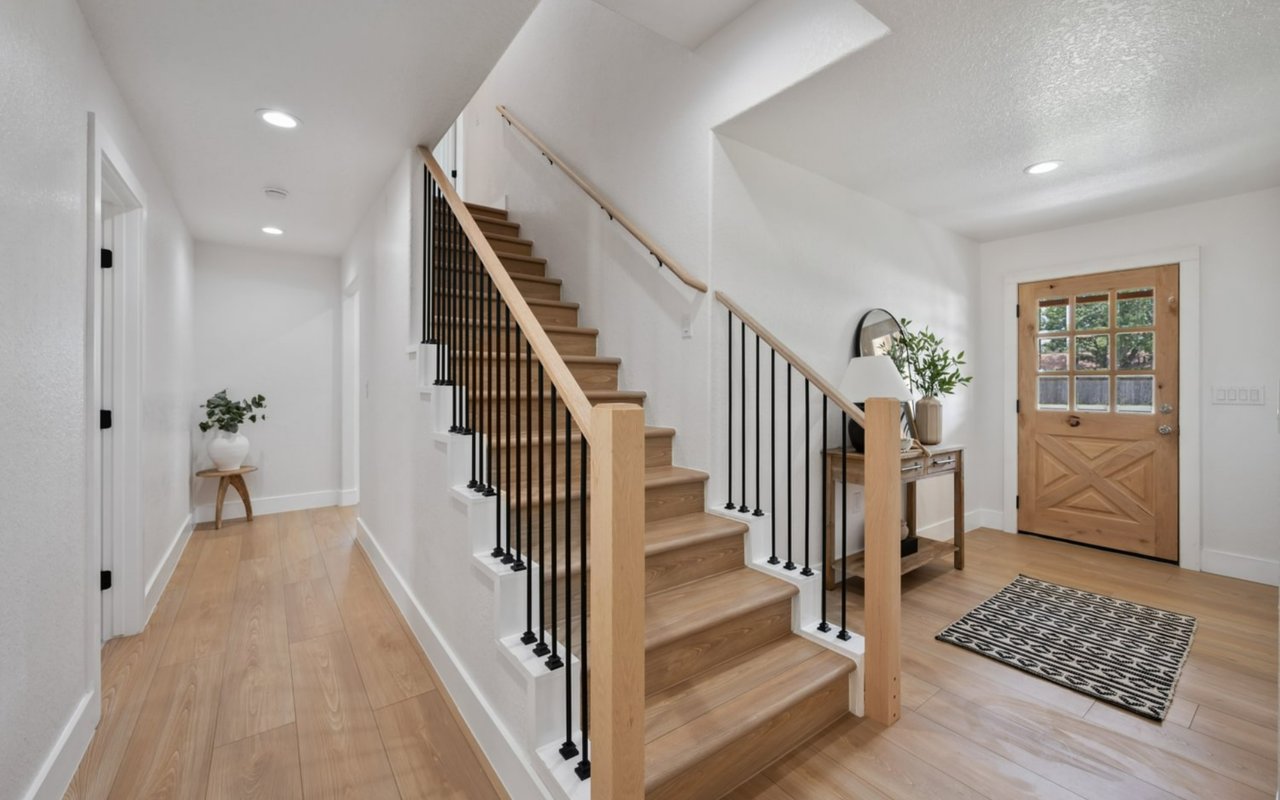
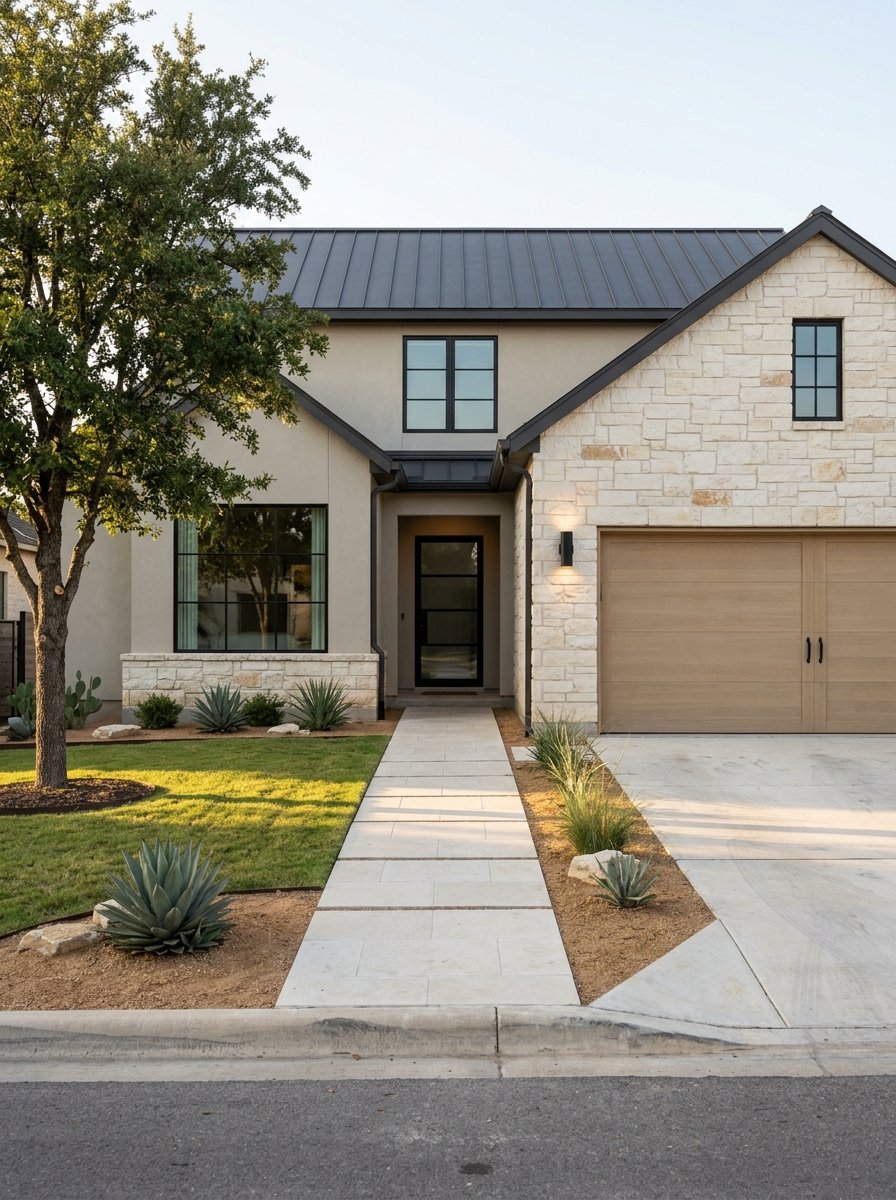
If you move to Lakeway, you should expect a housing landscape shaped mostly by single-unit, low-density residential development. The city’s planning materials note that the majority of residents live in single-unit structures, and single-family homes remain the clear preference in the community.
That matters because Lakeway does not feel like a fast-expanding outer suburb with large tracts of brand-new development everywhere. Instead, much of the city is already built out, and the local topography also limits how much new construction can be added across the area.
Growth is selective, not widespread
Lakeway is still evolving, but growth tends to happen in targeted areas rather than across the whole city. One example is the City Center project, which is being developed around H-E-B and The Oaks Shopping Center and includes some multifamily housing behind H-E-B.
For you as a buyer, that means Lakeway may offer a mix of established homes and a smaller number of newer or mixed-use options in specific pockets. If you want broad inventory from large-scale new developments, Lakeway may feel more limited than some other Central Texas communities.
Commuting from Lakeway
Austin access is real
Lakeway gives you access to the larger Austin job market, and its main regional connections are RM 620 and SH 71. According to a TxDOT corridor study on RM 620, RM 620 connects Lakeway with Bee Cave, central and northwest Austin, and Cedar Park.
That regional access is one reason Lakeway appeals to people who want a more suburban, lake-oriented home base while staying connected to Austin. Census data also shows a mean travel time to work of 28.8 minutes, which gives a useful snapshot of what everyday commuting can look like.
Traffic is part of the routine
It is equally important to know that traffic on RM 620 is a real part of daily life. TxDOT notes that the corridor experiences high peak-period congestion and delay, so your drive time can vary quite a bit depending on where you are headed and when you leave.
In other words, Lakeway works best if you are comfortable with a car-dependent routine. You can reach Austin and nearby communities, but peak-hour traffic is something to plan for instead of ignore.
Recreation shapes everyday life
Parks and waterfront access
One of the biggest draws of living in Lakeway is how easy it is to build outdoor recreation into your week. The city’s Lakeway City Park information highlights a 64-acre waterfront park at normal lake levels with swimming, fishing, kayaking, picnic areas, sports courts, and play areas for different ages.
That gives the city a lifestyle advantage if you want weekends and evenings to include time outside. Rather than driving far for basic recreation, you have access to local spaces designed for active use and casual downtime.
Trails and outdoor options
Lakeway also offers trail access through the Hamilton Greenbelt system and the Canyonlands, which the city describes as its most extensive trail network. If you enjoy walking, hiking, or simply having green space nearby, this is a meaningful part of what daily living can look like.
For many new residents, that outdoor infrastructure becomes part of the rhythm of life. It supports a routine that feels more scenic and recreation-oriented than what you might find in a more urban setting.
Swim center and activity center
The Lakeway Swim Center adds another layer of everyday convenience with a heated lap pool, family leisure pool, slides, skate park, basketball, volleyball, and a climbing wall. It is a practical amenity if you want year-round and seasonal recreation close to home.
The Lakeway Activity Center also contributes to daily life through classes, camps, concerts, community theater, town halls, and event space. Together, these facilities help explain why Lakeway feels like a community built around participation and local amenities, not just housing.
Running errands in Lakeway
Retail is practical, not downtown-centered
Lakeway’s shopping and dining pattern is more spread out than concentrated. The city’s planning materials explain that commercial areas are disconnected, with retail and dining located in separate centers such as Lakeway Town Center and Oaks of Lakeway rather than in one central district.
So if you are expecting a highly walkable main street with shops, restaurants, and services clustered together, Lakeway will likely feel different. Most errands are done by car, and daily convenience comes from a network of commercial nodes rather than from a downtown core.
Residents want more options
The city’s 2025 Comprehensive Plan market position report also notes that residents want more local retail and dining options. That is useful context for buyers because it shows both what Lakeway offers today and what people in the community still hope to see improve over time.
This does not mean daily errands are difficult. It means the experience is more suburban and destination-based, with convenience shaped by where you live relative to the main shopping areas.
Community resources new residents notice
Beyond housing and recreation, new residents often appreciate practical civic amenities. The Lake Travis Community Library Lakeway branch is located near Lohmans Crossing and Lohmans Spur and offers regular library services along with meeting-room space.
Resources like this can make settling in easier. They also reinforce the sense that Lakeway is designed to serve residents through local institutions and community-focused facilities.
What daily life in Lakeway feels like
If you put all of this together, Lakeway tends to feel suburban, established, and recreation-oriented. You are not moving into a dense urban district. You are moving into a community tied closely to Lake Travis, shaped by homeowner occupancy, and built around outdoor amenities, local services, and access to the broader Austin area.
That combination can be a strong fit if you want a home base with scenic appeal and an established neighborhood feel. It may be less ideal if your top priority is a highly walkable lifestyle or abundant large-scale new construction inventory.
Is Lakeway right for you?
Lakeway may be worth a closer look if you want:
- An established community with a strong homeowner base
- Access to parks, trails, and lake-oriented recreation
- A suburban setting with connections to Austin
- A lifestyle centered more on neighborhoods and amenities than on a downtown core
It may require a little more thought if you want:
- A highly walkable, urban environment
- Short and predictable peak-hour commutes every day
- Large amounts of brand-new housing inventory across the city
If you are considering a move to Lakeway, the key is to match the city’s day-to-day reality with your own priorities. The right move is not just about square footage or price point. It is about how you want your life to feel once you are there.
When you are ready to explore Lakeway with a clear strategy, connect with Jorgenson Real Estate for thoughtful guidance tailored to your move.
FAQs
What is everyday life like in Lakeway, Texas?
- Everyday life in Lakeway is generally suburban and recreation-focused, with established neighborhoods, lake-oriented amenities, parks, trails, and errands that are usually done by car.
Is Lakeway, Texas, mostly a homeowner community?
- Yes. The U.S. Census reports that 86.3% of housing units in Lakeway are owner-occupied.
Is Lakeway, Texas, a walkable city?
- Not in the way a dense urban district is walkable. City planning materials say Lakeway lacks a central commercial core and has retail and dining spread across separate centers.
What kind of housing should new residents expect in Lakeway?
- New residents should expect mostly single-unit, low-density housing in established neighborhoods, with some newer mixed-use development in targeted projects like City Center.
How is the commute from Lakeway to Austin?
- Lakeway has regional access through RM 620 and SH 71, but peak-period congestion on RM 620 is a known part of the commute experience.
What recreation options do residents have in Lakeway?
- Residents have access to amenities such as Lakeway City Park, trail systems including the Hamilton Greenbelt and Canyonlands, the Lakeway Swim Center, and programming at the Lakeway Activity Center.